Optimal Fertilization for Healthy Growth and Rich Flavor of Wasabi Arugula
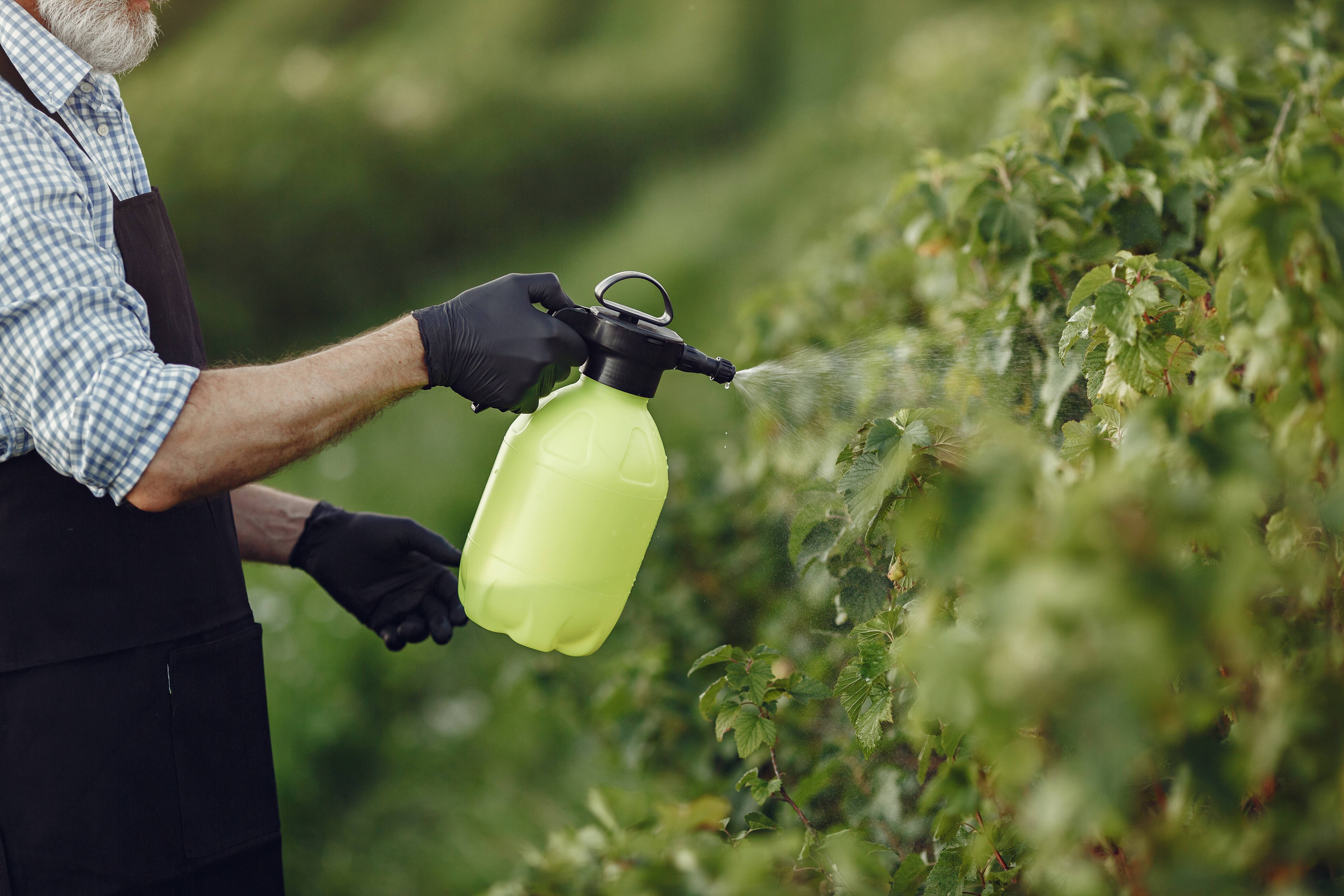
Wasabi arugula is a specific variety of arugula that is distinguished by its spiciness, which pairs well with a wide variety of dishes. Interestingly, both leaves and flowers are edible. To cultivate healthy and abundant yields, it is essential to organize proper crop care from the very beginning. Nevertheless, even good gardening practices sometimes require additional support, and often the most effective aid is fertilization.
What is Plant Fertilization?
Plant fertilization is a common agricultural practice of applying organic or inorganic substances to the soil to promote faster growth and higher-quality plants. It’s one of the most widely used agricultural practices for improving crop productivity and quality.
Organic fertilizer is made from plant or animal remains, such as composted animal manure and byproducts, bone meal, and leaves, and they work by gradually releasing nutrients into the soil. Unlike chemical fertilizer, natural fertilizer takes more time to work.
Inorganic fertilizer is synthetically produced from chemical compounds. Because the nutrient composition can be controlled, inorganic fertilizers act faster.
Why is Fertilization Important?
To grow, plants need a sufficient amount of nutrients, which they get from the soil they are planted in. If nutrients are lacking, the plant can’t develop to its full potential or at all. Natural soil nutrients may sometimes suffice, but additional fertilization is often required as the soil can become depleted. Fertilizers restore soil fertility. Natural soil nutrients may sometimes suffice, but additional fertilization is often required, as fertilizers help restore soil fertility and maintain healthy plant growth.
When to Use Fertilizer?
Fertilizers should be used when a soil test indicates that the pH level is not suitable for the plant. This test can be done by taking a sample to a soil testing laboratory or by using home testing kits. These home kits provide an accurate pH value, but laboratory analysis offers a more detailed overview of other important soil components. Wasabi arugula grows best in slightly acidic soil, with a pH between 6.0 and 7.0.
Types of Fertilizers
The main nutrients used in fertilizing plants are nitrogen (N), phosphorus (P), and potassium (K), usually in a specific ratio: balanced fertilizer with a 5:5:5 ratio; high nitrogen fertilizer with a 5:3:3 ratio; high phosphorus and potassium fertilizer with a 3:5:5 ratio.
The 5:5:5 ratio generally encourages plant growth, a 5:3:3 ratio boosts leaf growth, and a 3:5:5 ratio encourages flowering and root growth.
The 5:3:3 ratio can be naturally supplied by animal manure, while the 3:5:5 ratio can come from seaweed, blood, or bone meal.
Fast-Release and Slow-Release Fertilizers
These fertilizers differ in how quickly they release nutrients. With fast-release fertilizer, plants can absorb the given nutrients right away, whereas slow-release fertilizers release nutrients more slowly. Fast-release fertilizers are available in liquid or powdered form, whereas slow-release fertilizers come in pellet or granule form.
Best Fertilization Practice for Wasabi Arugula
Wasabi arugula is a plant that doesn’t require frequent or heavy fertilization. However, the soil needs to be supplemented with a 5 to 7 cm layer of compost or well-rotted manure before planting. For wasabi arugula, fertilization can be done every 3 to 4 weeks during the growth phase. It’s best to use a diluted organic fertilizer with a 5:5:5 ratio of nitrogen, phosphorus, and potassium.
Adding a thin layer of organic material can also support proper development. This practice helps suppress weeds and retain soil moisture. It’s important to avoid adding excessive nitrogen, as it promotes leaf growth while compromising its flavor.
The best result can be achieved if compost is added mid-season. This allows the soil to recover and be ready for continued leaf production. This is especially important if the leaves appear pale.
Signs of Nutrient Deficiencies in Wasabi Arugula
Since wasabi arugula belongs to the Brassicaceae family, the easiest way to identify nutrient deficiencies is to look for yellow or dry leaves. It is recommended to monitor plant growth and track plant development. This helps to better understand the condition of the soil or the plant.
Regardless of whether you grow this plant professionally or as a hobby, choosing the right fertilizer can make a big difference and is one of the most valuable steps in agriculture.
Nourishing Soil for Healthy Plant Growth
Fertilization is an important step when you are cultivating your own food. It helps the natural process by providing the plant with additional, much-needed nutrients. It’s important because soil nutrients can become depleted over time. Fertilizers help restore soil fertility and ensure continuous cultivation. The best option for wasabi arugula is a 5:5:5 ratio of nitrogen, phosphorus, and potassium, added every 3 to 4 weeks during its growth phase. If done properly, it can improve both the quality of the plant and the speed at which it grows and develops.