Small Home Devices for Plant Growing: Big Step Towards Savings and Sustainability
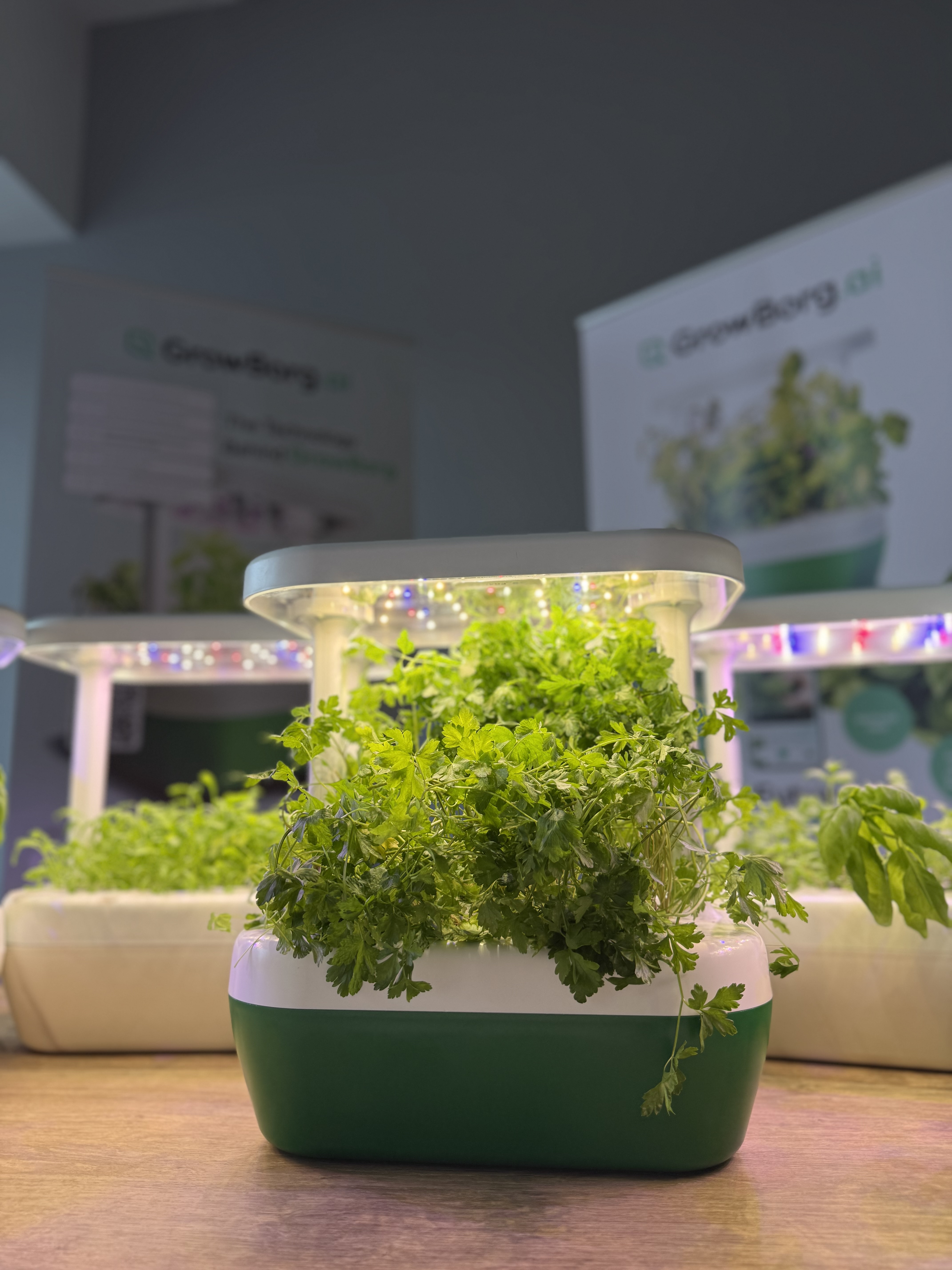
In a world where the cost of living is constantly rising and ecological awareness is becoming more pronounced, more people are looking for ways to save money while reducing the amount of waste they generate daily. One simple and long-term cost-effective solution is small home devices for growing plants, which allow the cultivation of fresh herbs, fruits, and vegetables even in limited spaces. Although at first glance this may seem like an activity for those with more free time, using these devices is actually quick, easy, and requires no special skills. Moreover, with minimal time and effort invested, small home plant growing systems bring tangible benefits that directly impact the household budget, health, and environmental preservation.
Efficient use of herbs, fruits, and vegetables
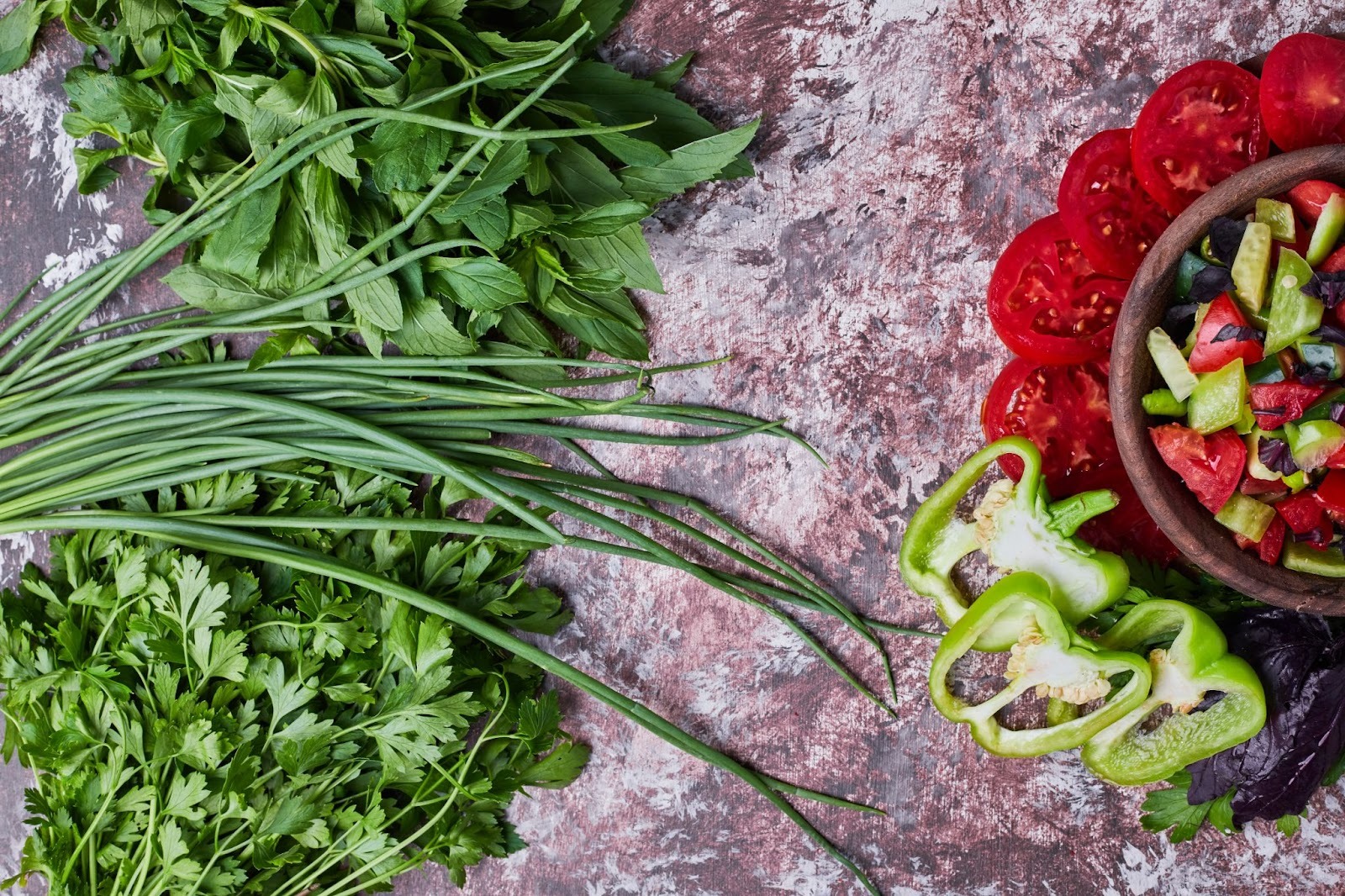
It often happens that fresh herbs such as parsley, basil, arugula, dill, or young onions are bought in larger packages than actually needed. The unused surplus usually ends up as waste. Growing these plants in small home devices or pots provides constant access to fresh plants, using exactly the amount required. For example, a single basil plant can provide enough leaves throughout the season to replace ten store-bought bunches or packages, while also eliminating the need for plastic packaging that these herbs are usually sold in, thereby further contributing to waste reduction.
Smart meal planning and less food waste
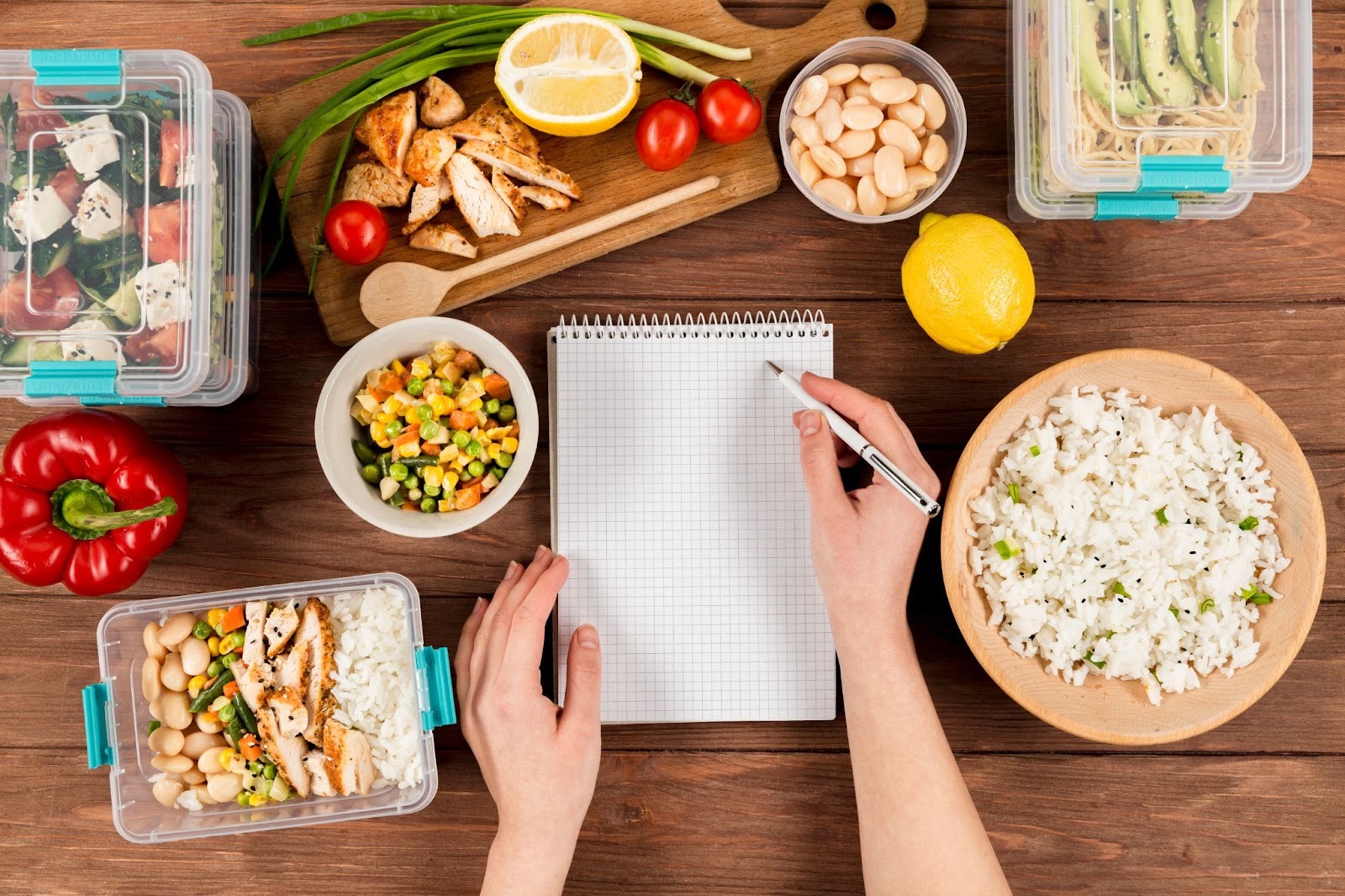
Growing your own plants leads to better meal planning, avoiding impulsive purchases of herbs, fruits, and vegetables that look tempting in stores but later get forgotten in the fridge. When it is clear what is available in the garden, pot, or small home device, cooking can be organized based on those ingredients - significantly reducing the amount of food thrown away due to spoilage or neglect. For example, having ripe cherry tomatoes in home-grown cultivation encourages planning meals that use them, making use of what is already there instead of unnecessarily buying new groceries.
Savings through recycling and composting
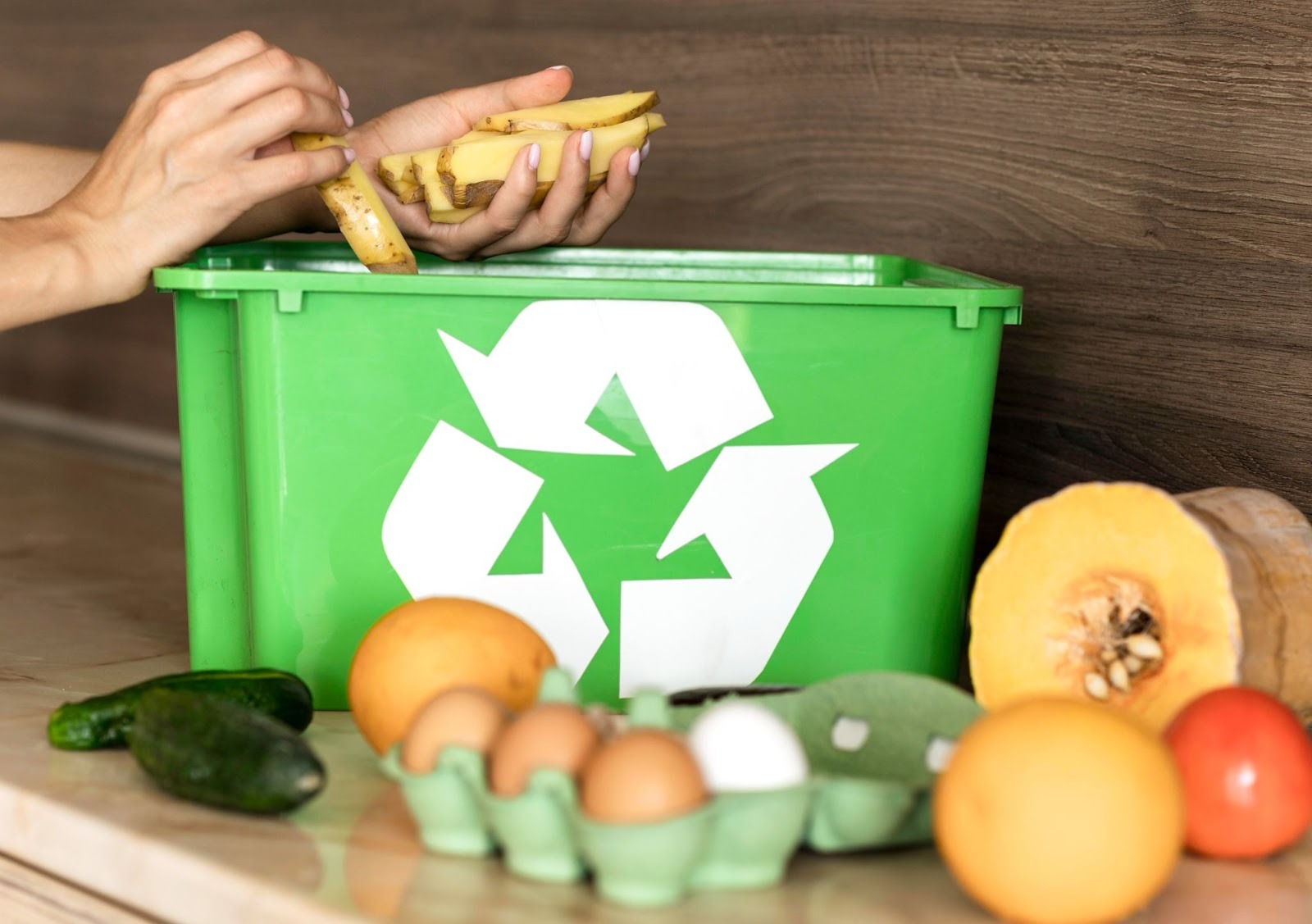
Another benefit of home plant growing is that it naturally encourages thinking about recycling and composting. Organic waste such as vegetable peels, coffee grounds, grass clippings, or leaves can be used to make homemade compost that enriches the soil for plants. This reduces the amount of garbage and saves money because there is no need to buy expensive chemical fertilizers. Even in an apartment, it is possible to create a small composting system - in a bin, pot, or special container. Such systems are becoming increasingly popular because they are easy to maintain and promote a more sustainable lifestyle.
Simple and economical start
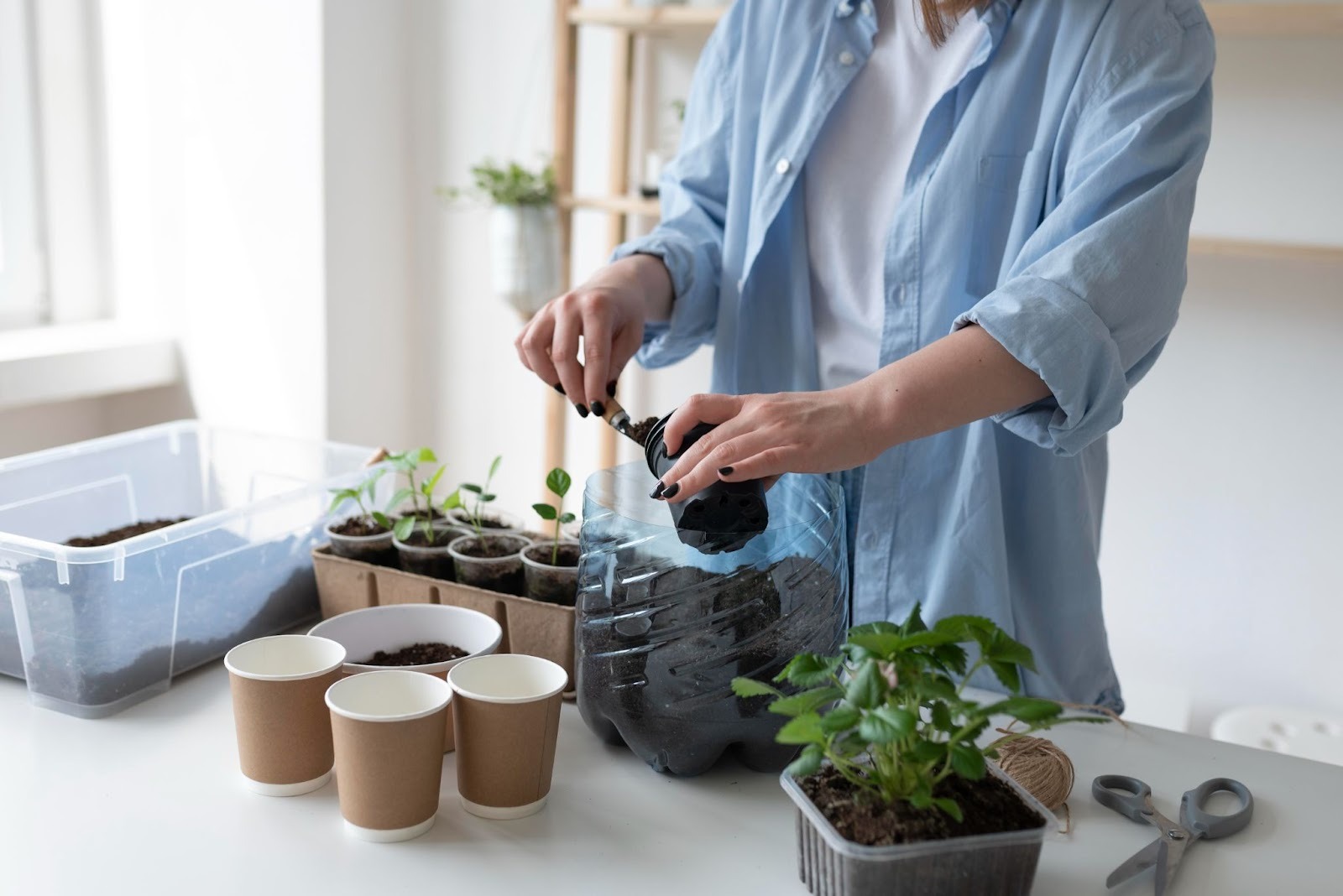
Starting home plant cultivation does not require special conditions, a large garden, or gardening experience. Thanks to the availability of simple solutions such as pots, recycled containers, or modern small home plant growing devices, cultivation can begin even in the smallest spaces. Modern home growing devices provide automatic control of lighting, watering, and nutritional support, which further eases plant care. Most are compact and easy to use, making them ideal for city apartments and busy lifestyles.
Additionally, many plants can easily be propagated from household scraps. For example, celery, basil, or lettuce can regrow from parts that would otherwise be discarded. Tomatoes can be grown from seeds, while potato eyes can produce new potatoes. This approach not only saves money but also reduces the amount of bio-waste in the household.
Healthier diet means lower health costs
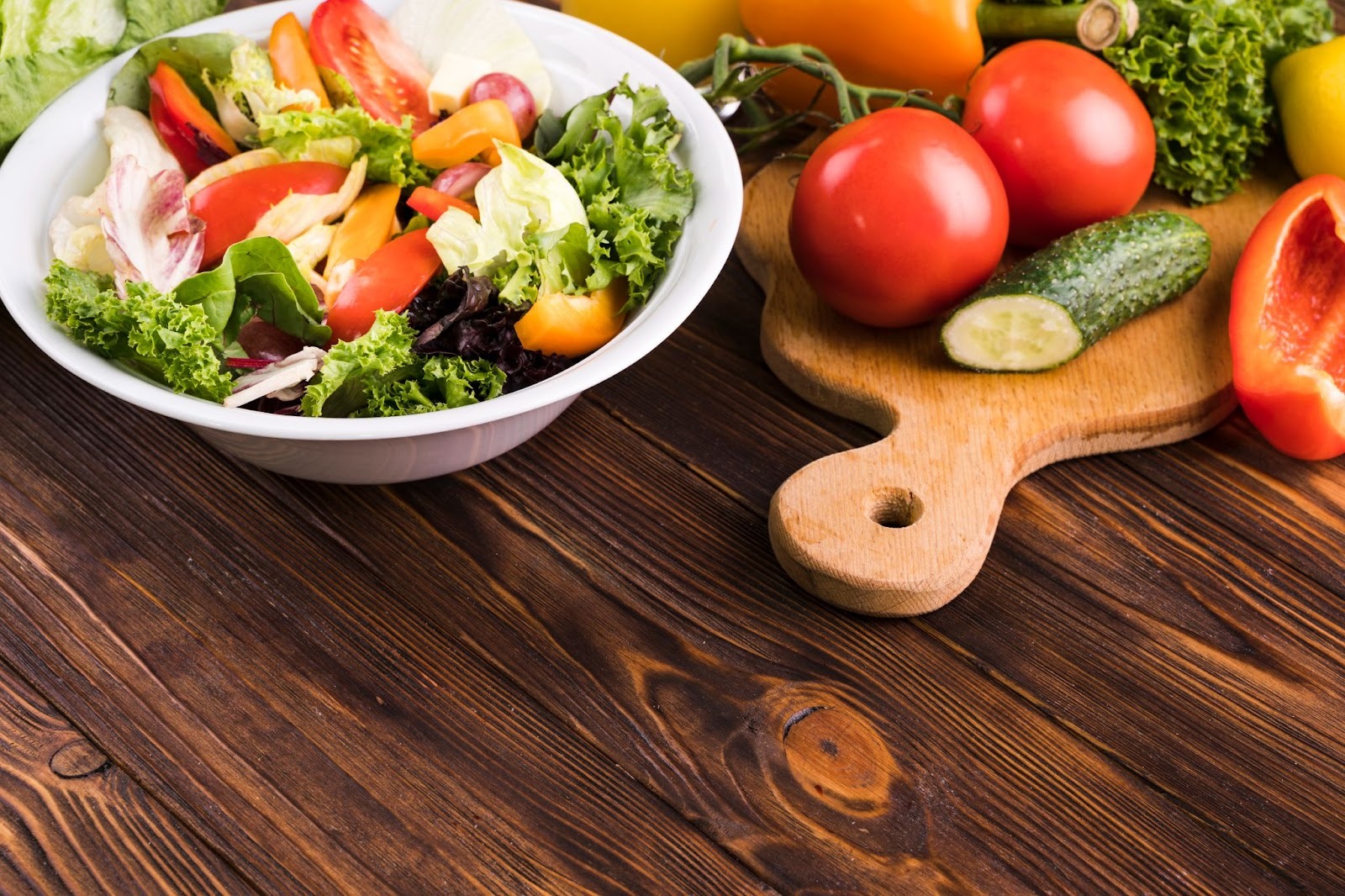
Consuming more fresh plants from home cultivation provides more nutrients and reduces the intake of processed foods. Such a diet positively affects health - it strengthens the immune system, improves digestion, and lowers the risk of chronic diseases. A healthier body requires fewer medical interventions, meaning less medication use and lower healthcare costs.
Learning and connecting with nature
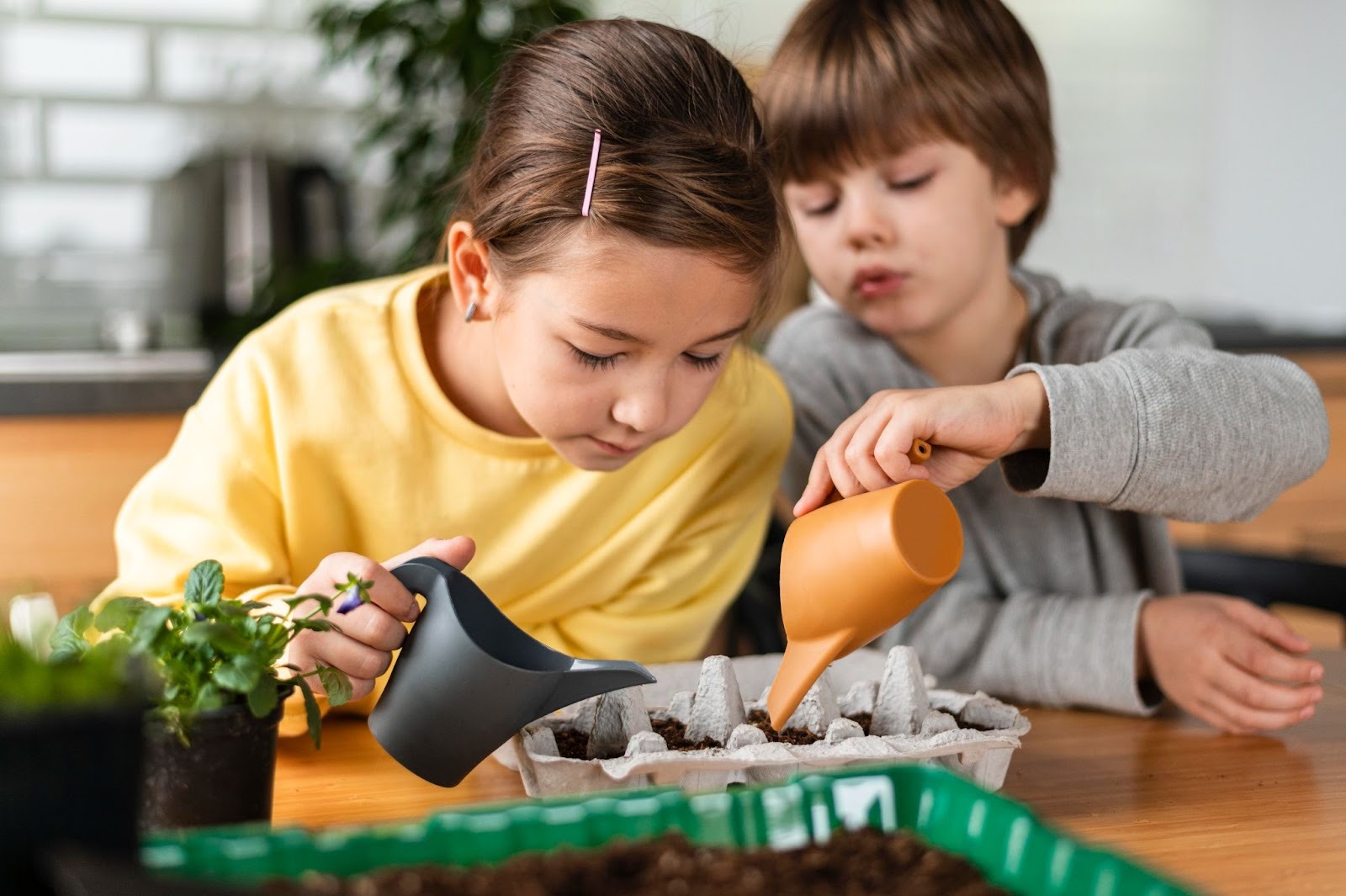
Home plant growing can become a shared family activity, offering children a chance to learn about natural cycles, responsibility, and the importance of healthy eating. People who grow plants often develop greater ecological awareness about reducing waste, the harm of plastics, the importance of seasonal eating, and the preservation of natural resources.
Psychological and emotional benefits
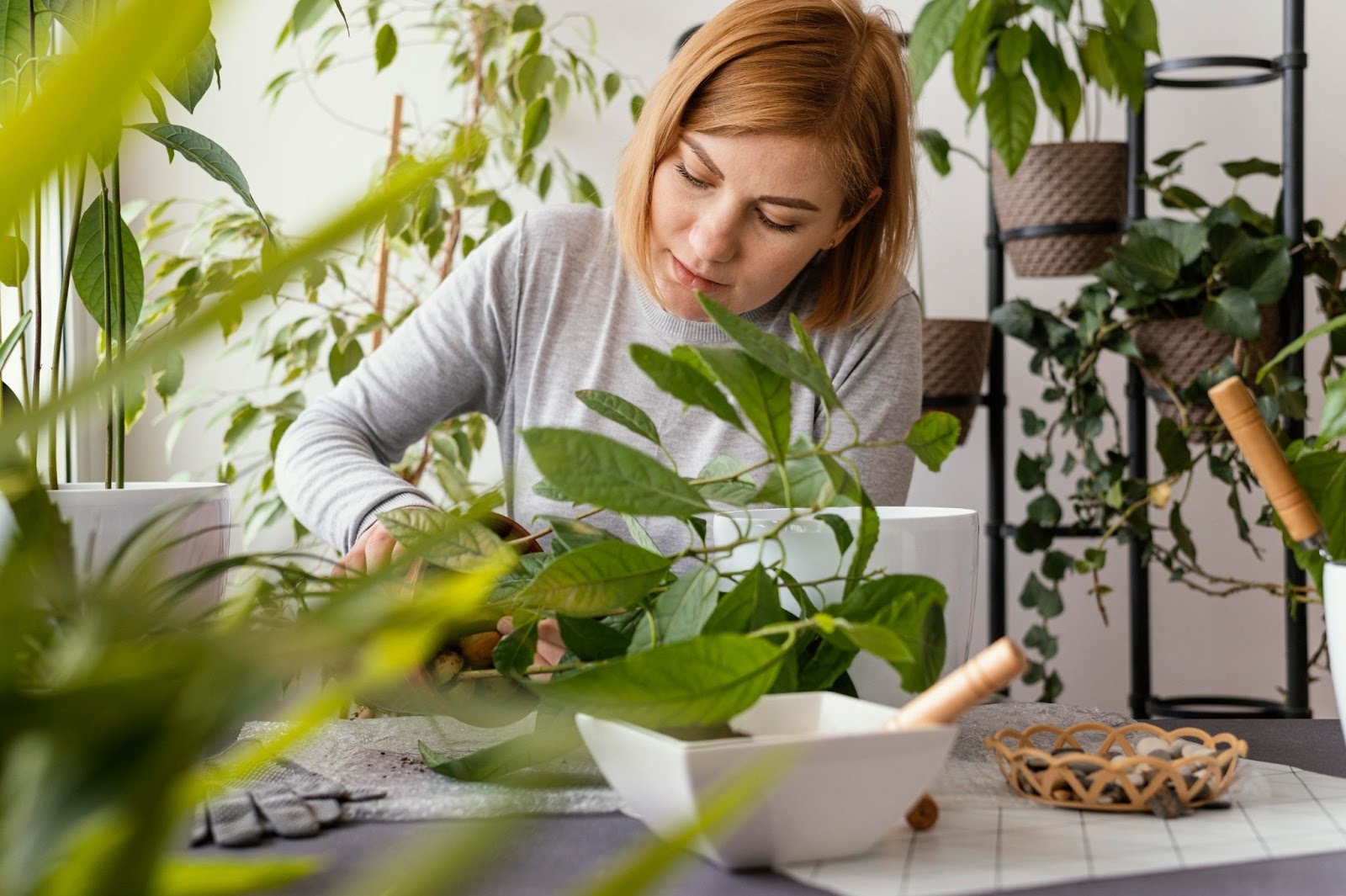
Caring for plants provides a special sense of connection to nature and calmness. Watching their growth and nurturing living organisms has therapeutic and soothing effects. Research shows that growing plants reduces stress levels, improves mood, and strengthens the feeling of personal achievement. In times when everyday stress is a widespread phenomenon, these benefits have invaluable worth.
Small home devices as a big step towards savings and sustainability
Small home devices for growing plants represent a simple, practical, and eco-friendly approach that brings numerous benefits - from reducing food and health expenses to preserving the environment. With minimal effort, fresh herbs, fruits, and vegetables can be available daily, directly improving quality of life and contributing to waste reduction. These devices are an ideal solution for modern lifestyles and a path towards a more sustainable future.